
Storm Arcade Quest opens fast-paced arcade sequences built on shifting lanes and timing-based movement patterns across dynamic stages. The gameplay focuses on visual cues, rhythm alignment, and reaction control that increase intensity through each progression layer. Explore deeper mechanics and stage behavior to understand how transitions and scoring flow work in each segment with sagjili.
Storm Arcade Quest gameplay mechanics explained clearly
Each stage increases speed pressure and requires consistent alignment with visual signals during transitions and obstacle waves. The system builds rhythm through repeating patterns that evolve after every completed section across the arcade map structure.
High-energy design elements shaping player experience
Stages are built with alternating rhythm blocks that force quick reactions and precise lane reading during transitions. Each block changes spacing and timing, requiring steady adjustment across evolving arcade sequences.
Progression speed increases gradually, keeping each session intense while maintaining predictable pattern evolution across segments. This structure supports consistent rhythm adaptation as levels advance through layered stage design.
Visual feedback systems enhancing reaction timing
Storm Arcade Quest uses layered visual feedback that highlights upcoming lane changes through color shifts and motion trails. These visual indicators help clarify movement direction during fast stage transitions across active segments.
These signals appear slightly before transitions, allowing recognition of safe movement paths across active segments. This early cue system supports quicker adjustment when lane shifts begin across repeated gameplay sections.
Storm Arcade Quest core rules and structure flow
Gaming rule structured movement rules designed around timing accuracy and lane prediction patterns. Each stage contains fixed rules that adjust gradually as difficulty layers increase across arcade progression cycles.
- Movement lane switching mechanics: Lane switching follows timed intervals that align with background rhythm changes during active gameplay cycles. Each switch requires alignment with visible cues appearing before directional shifts across stage segments.
- Stage progression system rules: Each Storm Arcade Quest stage contains increasing obstacle density that modifies movement spacing across active lanes. Patterns repeat in modified forms after completion of every cycle within arcade progression layers.
- Obstacle interaction behavior rules: Obstacles follow predictable timing paths that sync with background motion patterns across each level. These patterns repeat with slight variations during advanced arcade progression stages.
- Energy rhythm synchronization rules: Energy waves move across lanes in synchronized pulses that match stage background tempo patterns. These pulses guide movement timing across shifting visual environments in each arcade segment.
- Transition timing adjustment rules: Transition windows shorten progressively after each completed section within the arcade stage flow. These shortened windows demand faster reaction alignment with directional indicators across segments.
Storm Arcade Quest scoring structure breakdown
Game online scoring depends on timing precision and uninterrupted lane progression across stage cycles. Score accumulation increases based on sustained movement consistency through evolving arcade patterns and transitions.
Continuous movement bonus system
Longer movement chains increase score increments across multiple connected arcade segments. As chains extend, each new transition adds layered value that strengthens overall scoring output. This creates a clear advantage for maintaining consistent lane tracking across repeated movement cycles.
Bonus values grow with each Storm Arcade Quest successful transition completed without interruption across stage layers. Higher chain stability unlocks stronger reward steps that accumulate through continuous progression paths. This system encourages maintaining accuracy over extended arcade sequences without breaking movement rhythm.
Timing precision reward system
View more: Neon Rift Run System Overview And Mechanics Explained
Accurate lane switching within visual cue windows increases scoring efficiency across gameplay cycles. This requires matching movement input with short visual indicators that appear before each transition. Each correct switch strengthens the scoring flow across connected arcade segments without interruption.
Precise timing during transitions generates higher multipliers across successive stage sections. When movements align exactly with transition moments, multiplier growth becomes more stable and consistent. This creates stronger score escalation as stages progress through faster rhythm patterns.
Stage completion reward scaling
Higher stages provide increased reward structures tied to pattern complexity and speed escalation. As patterns become denser and faster, completion rewards rise to match the added difficulty pressure. This ensures each advanced stage delivers stronger scoring outcomes than earlier segments.
Completion rewards also influence unlocking speed for subsequent arcade segments. Higher completion performance helps accelerate access to later stages within the progression path. This maintains a clear connection between stage mastery and overall arcade advancement flow.
Game Storm Arcade Quest advanced play rhythm techniques
Gameplay rewards recognition of repeated motion cycles and structured lane rhythm patterns. Understanding timing loops improves consistency across long arcade sessions with increasing difficulty layers.
Approach for improving movement pattern recognition
These patterns appear in modified forms during later sections of arcade gameplay structure. While the core sequence stays familiar, timing gaps and spacing often change slightly. This variation forces adjustment while still relying on previously learned movement behavior.
Recognition speed improves decision timing during fast transition segments across levels. Faster identification of lane patterns reduces hesitation during rapid shifts. This leads to smoother navigation through high-intensity arcade sequences.
Visual cue tracking Storm Arcade Quest method
Tracking brightness shifts in directional indicators improves reaction accuracy during lane changes. These subtle light changes act as early markers for upcoming movement direction across each arcade segment. Players who notice them earlier can align inputs more precisely during fast transitions.
Each visual cue follows a consistent timing gap before movement activation across stages. This gap creates a short preparation window before lane shifts occur. It helps maintain rhythm awareness even as speed increases through progression layers.
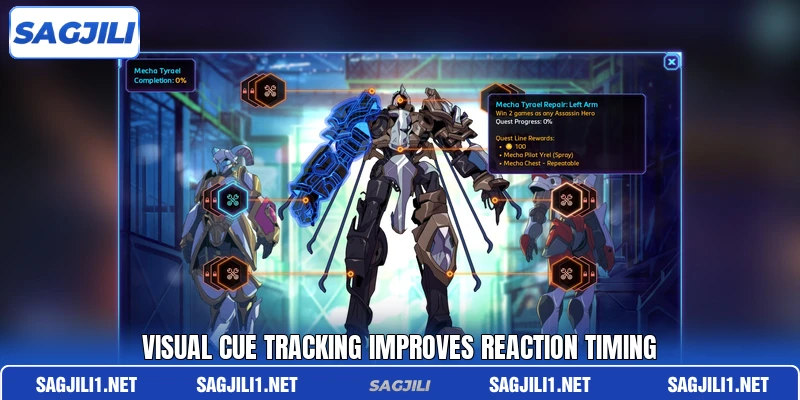
Rhythm alignment control method
Aligning Storm Arcade Quest movement with background pulse patterns reduces reaction delay across shifting segments. This synchronization helps inputs feel more connected to the overall arcade rhythm structure. Each movement becomes easier to place within the timing flow of active stages.
This alignment stabilizes navigation flow during high-speed transitions across arcade cycles. When timing matches the background pulse, lane changes feel more predictable and controlled. It supports smoother progression even when stage speed increases significantly.
View more Category: Arcade
Conclusion
Storm Arcade Quest combines structured arcade movement with evolving rhythm systems across layered stages. Its progression design supports consistent engagement through predictable yet fast-paced transitions. Players exploring deeper mechanics can experience smoother stage flow within sagjili.