
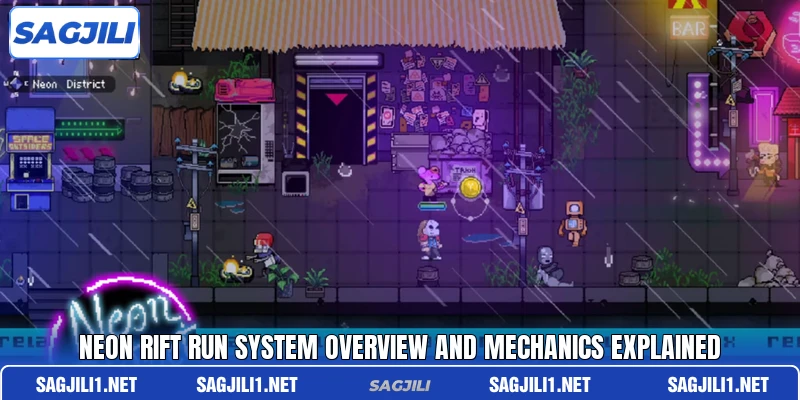
Neon Rift Run traversal count defines how players accumulate score through each completed lane crossing during active cycles. Every movement across neon corridors contributes directly to total session performance. Explore full details sagjili below to understand how traversal patterns shape progression across different stages.
Neon Rift Run system overview
Neon Rift Run builds a high-speed neon environment where players move through shifting rift lanes filled with light-based barriers and timed energy gaps. Each session introduces continuous motion across layered neon tracks that change shape during gameplay. The system focuses on rhythm, timing, and directional control through unstable rift paths.
Every map contains multiple glowing rift corridors that constantly rotate and shift position. Around fifty interactive light nodes appear across each stage, affecting movement speed and lane stability. Players must adjust direction frequently as rift patterns evolve in real time.
Advanced stages introduce overlapping neon distortions that alter visibility and movement flow. More than thirty rift variations appear across different sessions, ensuring no two runs feel identical. This creates a fast and dynamic experience where adaptation is required throughout each stage.
Why Neon Rift Run attracts strong attention
The appeal of gameplay comes from its fast neon visuals, continuous motion system, and shifting rift mechanics. Each session creates pressure through timed lane changes and unpredictable energy barriers. These elements combine to maintain a constant sense of forward momentum throughout every run.
Rift timing system shapes movement flow
Rift cycles activate every eight seconds, changing lane positions and barrier placements across the map. Each cycle affects multiple neon corridors at the same time. In early stages, these shifts remain predictable and follow stable timing patterns.
In later stages, some Neon Rift Run cycles overlap, reducing safe timing windows and increasing movement pressure across connected lanes. This creates more frequent lane adjustments and tighter navigation conditions during continuous gameplay.
Neon lanes create dynamic navigation paths
Each stage contains up to six main neon lanes that guide player movement across the rift environment. These lanes shift position after every cycle, changing available routes and forcing continuous adjustment during navigation. In higher stages, lane movement speed also increases, making transitions more dynamic.
Some lanes temporarily merge or split, creating new paths that only last for a short time before disappearing. These temporary formations often align with rift cycle changes, producing brief navigation opportunities that require precise timing to follow effectively.
Energy distortions increase challenge depth
Energy distortions appear in layered patterns that affect visibility and movement speed. Each distortion wave modifies interaction timing within the neon rift. In later stages, these waves also shift intensity levels, creating uneven movement pressure across different lanes.
Advanced stages introduce multiple distortion layers that overlap, creating complex movement conditions across the entire map. This overlap increases navigation difficulty as visibility zones continuously change during active rift cycles.
View more: Void Pixel Break Digital Pixel Break System Gameplay

Neon Rift Run scoring and progression system
Scoring depends on lane continuity, rift traversal timing, and sustained movement across neon zones. Each action contributes to total session performance based on stability and speed, with higher consistency leading to stronger score accumulation across longer runs.
- Rift traversal count: Each completed lane crossing adds score points during active cycles. Around 16 crossings can appear per full stage, with higher stages increasing both speed and required precision. In advanced stages, Neon Rift Run lane spacing also becomes tighter, making each traversal more dependent on exact timing control.
- Continuity chain bonus: Continuous movement without lane interruption increases score multipliers across cycles, rewarding stable navigation through shifting rift patterns and reducing score reset risk. In later stages, maintaining continuity becomes harder as lane shifts occur more frequently and require faster directional adjustments.
- Neon node activation: Certain glowing nodes grant additional score when passed in sequence during timed rift phases, especially when multiple nodes align within a single active cycle window. In higher stages, node spacing becomes tighter, requiring more precise timing to maintain continuous activation chains without interruption.
Neon Rift Run movement strategies for better flow
Movement in this system relies on timing awareness, lane reading, and controlled direction changes across shifting rift structures. Each adjustment must align with cycle shifts to maintain stable progression through active neon lanes. In advanced stages, faster rift rotations require quicker recognition of lane changes and more precise directional control.
Timing awareness improves lane control
Understanding rift cycle timing helps reduce unnecessary lane switching during transitions. Most cycles repeat within stable intervals, allowing movement patterns to become more predictable over repeated runs. In higher stages, slight variations begin to appear, requiring closer observation of timing shifts.
Players Neon Rift Run who adapt to timing patterns can maintain smoother movement across shifting neon corridors. This reduces wasted transitions between lanes and supports more stable progression through fast-changing rift environments. In advanced stages, this adaptation becomes even more important as lane shifts occur more frequently and require faster reaction control.
Neon Rift Run reading supports navigation accuracy
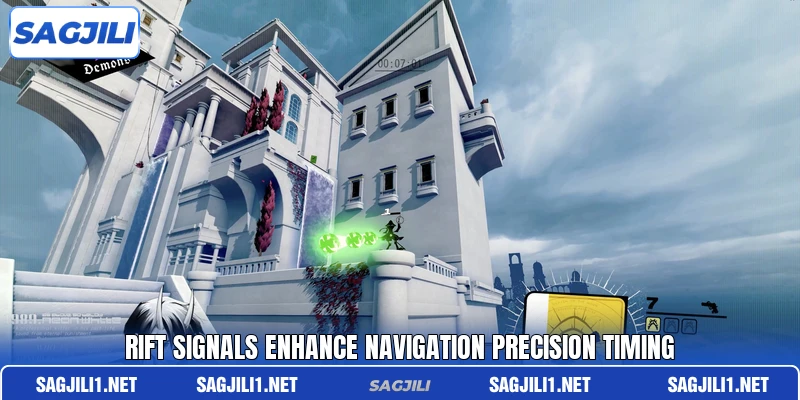
Visual neon signals appear before each rift shift, showing upcoming lane changes across the map. These signals appear briefly before activation, usually within a short window that becomes harder to notice in advanced stages. Some signals also change brightness to reflect the intensity of the upcoming shift.
Recognizing these signals helps avoid unstable lane transitions during high-speed segments. This allows earlier adjustments before lanes fully reposition, improving control during fast rift cycles and reducing sudden movement disruptions.
Path selection improves session stability
Each map offers multiple neon paths with different rift intensity levels. Safer paths reduce distortion effects but extend movement distance, making progression slower but more stable across shifting lanes. In advanced stages, safe may also include occasional timing gaps that require careful adjustment.
Faster paths increase rift exposure but allow quicker progression across stages. These routes demand sharper timing control, as higher distortion levels reduce reaction windows and increase the frequency of lane shifts during movement. In later stages, some segments also stack multiple distortions at once, making navigation even more demanding.
View more Category: Arcade
Conclusion
Neon Rift Run delivers a fast neon-based movement system built around shifting rift lanes, timed energy distortions, and structured progression across dynamic maps. Each sagjili session creates constant movement pressure through rapidly changing lane positions and visual effects. The experience stays engaging through continuous adaptation and fast lane transitions across every run.