
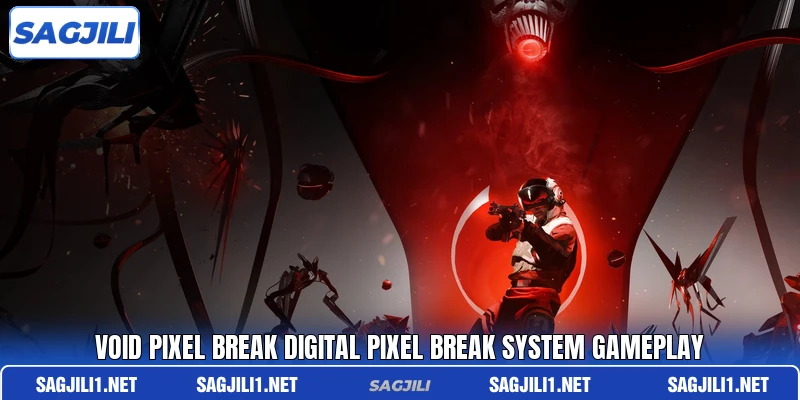
Void Pixel Break builds a fragmented digital world where pixels break, shift, and rebuild during every interaction sequence. Please follow the guide below and experience full details through sagjili for clearer understanding. The system also layers continuous break cycles that reshape movement flow across every stage.
Void Pixel Break gameplay system overview
The system creates unstable pixel fields that constantly reshape movement paths during each session. Each map contains around sixty destructible pixel nodes that influence timing and direction. Players experience continuous visual changes that affect control and positioning.
Every stage introduces layered break patterns that alter pixel density and interaction flow. More than forty break variations appear across standard sessions, ensuring no two runs feel identical. This structure creates constant adaptation across shifting digital space.
How Void Pixel Break rules guide gameplay flow
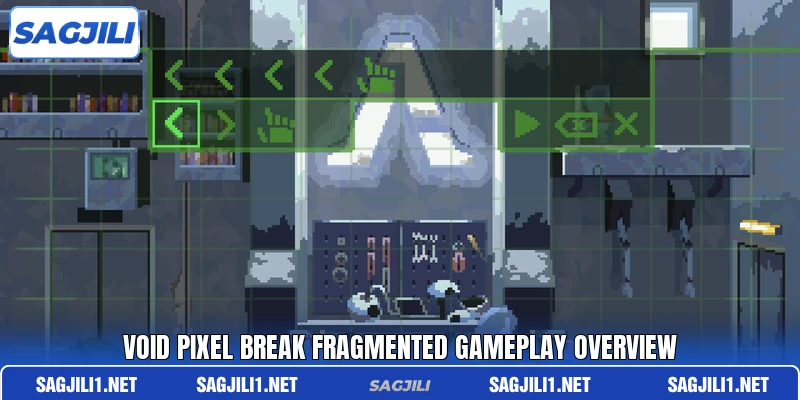
The gameplay rules focus on pixel interaction, break timing, and adaptive movement through unstable digital zones. Each session introduces structured mechanics that define progression clearly.
Pixel break timing shapes movement control
Pixel break cycles activate every eight seconds, changing block stability across the map. Each cycle affects more than thirty active zones simultaneously. In advanced stages, some cycles also trigger partial overlap effects that intensify instability in nearby regions.
These changes force continuous repositioning as unstable pixels collapse and rebuild during gameplay. Void Pixel Break movement becomes closely tied to timing accuracy across each cycle. It also requires anticipating short stability gaps that appear between consecutive break phases.
Fragment zones create shifting pathways
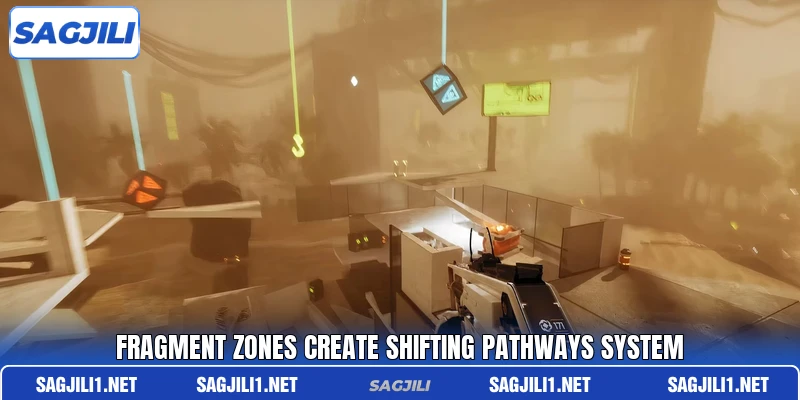
Each map contains up to five fragment zones that control movement routes and break intensity. These zones change activation order after every cycle. In later stages, the activation sequence can also partially shuffle, increasing unpredictability across routes.
Players must adjust movement paths as fragments disappear and reform across the digital field. Some zones also expand temporarily, altering available routes. These temporary expansions often overlap with active break cycles, creating tighter movement conditions during transitions.
Stability layers increase progression depth
Later stages introduce multiple stability layers that overlap during active cycles. Each layer adds additional break pressure across nearby zones. Some layers also interact with each other, creating faster collapse patterns across shared zones.
More than twenty layered effects appear across advanced sessions. This structure increases complexity and requires continuous adaptation. It also forces players to adjust timing more frequently as overlapping effects intensify within the same cycle window.
Void Pixel Break scoring rules explained simply
Scoring depends on pixel destruction, timing accuracy, and sustained interaction across unstable zones. Each action contributes to a total session score based on break intensity. Some higher-level stages also multiply score gains when multiple destruction chains occur within the same cycle window.
Break Void Pixel Break efficiency improves score flow
Break efficiency depends on timing precision and continuous movement across unstable zones. Each session rewards consistent interaction across multiple pixel layers. Some advanced sequences also shorten safe intervals between break phases, increasing required precision.
View more: Iron Circuit Escape High Tension Circuit Challenge Guide
Higher efficiency appears when players maintain uninterrupted break sequences across cycles. This reduces wasted interaction windows during transitions. It also helps sustain smoother scoring flow when multiple pixel layers activate within the same cycle window.
Fragment control increases scoring stability
Controlling fragment zones helps maintain stable scoring patterns across longer sessions. Each controlled zone reduces random pixel collapse effects. In later stages, some fragment areas also expand control influence to nearby unstable pixels.
Some zones also provide extended stability windows lasting up to three cycles. This supports smoother progression across difficult stages. It also helps maintain consistent scoring flow when multiple break patterns overlap within the same map region.
Cycle chain scoring multiplies results
Cycle chains activate when pixel breaks occur Void Pixel Break continuously across multiple cycles. Each chain increases total score output significantly. Some advanced chains also extend into mixed break zones where timing becomes less stable.
Longer chains appear in advanced stages where break density is higher. This creates stronger score growth during extended sessions. It also encourages sustained continuity across multiple cycle transitions, especially in later map segments where break speed increases.

Void Pixel Break movement techniques for better flow
Movement in this system relies on timing observation, zone reading, and controlled reaction across break cycles. Each session rewards structured adaptation rather than random motion. Players who read cycle patterns carefully can reduce unnecessary shifts between unstable zones during longer runs.
Timing awareness improves stability
Understanding pixel break timing helps reduce unnecessary repositioning during cycles. Most patterns repeat within stable intervals. Some advanced stages slightly distort these intervals, adding irregular shifts to increase challenge.
Players who follow timing patterns can maintain smoother transitions across unstable zones. Void Pixel Break improves overall movement consistency. It also helps maintain stable control when multiple break cycles overlap within the same map section.
Zone reading supports control
Visual indicators show upcoming pixel break areas before activation begins. These signals appear briefly before each cycle shift. In later stages, some indicators also pulse faster to reflect higher instability zones and tighter reaction windows.
Reading these signals helps avoid unstable collapse zones during movement. This reduces interruptions across longer sessions. It also supports smoother transitions between cycles by allowing earlier repositioning before break effects fully activate, especially in high-density stages where multiple zones trigger at the same time.
Path selection enhances overall movement efficiency
Each Void Pixel Break map provides multiple movement paths with different break intensity levels. Some paths allow faster progression with higher instability. These high-risk routes often include tighter timing windows that require more precise movement across unstable zones.
Safer paths reduce break density but extend movement distance. Around six decision points appear per stage. These points often appear near zone transitions, making route selection more important for maintaining smooth progression through each level.
View more Category: Arcade
Conclusion
Void Pixel Break presents a structured pixel destruction experience built around shifting digital zones, break cycles, and layered interaction systems that evolve throughout each session. Every run maintains strong engagement through constant adaptation and changing map layouts that influence movement flow. Players can explore additional details and system updates through sagjili for a clearer understanding of the mechanics.