
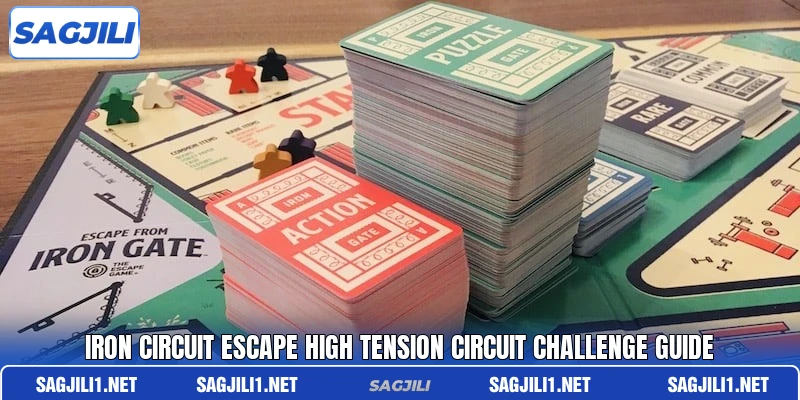
Iron Circuit Escape introduces a digital maze environment where players navigate through shifting circuits and mechanical barriers with timed precision. The system builds pressure through continuous changes in pathways and trap timing across each stage. Please explore full details below and experience the system through sagjili for clearer understanding.
Iron Circuit Escape system gameplay overview
The system builds a digital maze where players move through shifting circuit paths and mechanical barriers. Each stage contains layered routes that change direction after timed cycles. Around sixty interactive nodes appear in every level, shaping movement decisions continuously.
Mechanical traps activate in repeating intervals that influence safe and unsafe zones across the map. Each Iron Circuit Escape cycle introduces new barrier positions that require quick adjustments during navigation. More than forty trap patterns appear across different stages, keeping each session varied.
Progression increases difficulty by reducing reaction windows and adding denser circuit layouts over time. Later stages introduce overlapping traps that appear in multiple directions simultaneously. This structure creates a consistent challenge that grows with each completed level.
Why Iron Circuit Escape attracts strong engagement
The attraction comes from its fast rhythm, structured design, and constant environmental changes. Each session builds tension through timed mechanics and circuit-based movement challenges. Their attraction also grows as players adapt to faster patterns that gradually increase pressure across later stages of each session.
Dynamic circuit traps increase intensity
Trap systems activate in cycles lasting eight to ten seconds, creating continuous movement pressure across each path. Players Iron Circuit Escape face over thirty trap combinations within a single extended run. These repeating cycles also layer additional trap sequences over time, forcing continuous adjustment as combinations shift across.
Each trap pattern requires learning timing rather than memorizing fixed routes, making progression more engaging across repeated sessions. Mechanical walls and energy pulses shift positions dynamically every few seconds.
Structured escape paths improve focus
The map design includes multiple escape routes, each containing different risk levels and reward paths. Around 5 main corridors appear in every level, giving varied navigation options. The map design includes multiple escape routes, each containing different risk levels and reward paths. Around five main corridors appear in every level, giving varied navigation options.
Each corridor introduces unique circuit locks that require sequential activation steps. This structure allows players to choose safer or faster paths depending on movement accuracy during gameplay. Some corridors also include temporary energy gates that open only during specific cycle windows, creating stricter timing requirements for safe passage.
Progressive difficulty builds Iron Circuit Escape challenge
Difficulty increases after every 3 completed stages, introducing faster trap rotations and narrower safe zones. More than twenty difficulty tiers exist across the full system. Each new tier also adds additional circuit layers that change movement paths and trap timing patterns.
Later stages reduce reaction time margins significantly, requiring precise movement through overlapping trap cycles. Circuit density also increases, adding more obstacles within the same space. The final stages also introduce alternating trap directions that change unpredictably after each cycle reset.
View more: Crystal Pulse Arena Pulse Based Combat System Guide
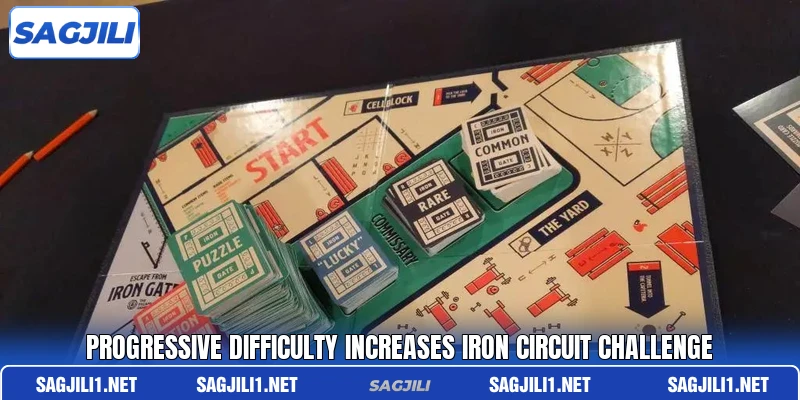
Iron Circuit Escape core system mechanics guide
The gameplay mechanics rely on timing control, circuit reading, and adaptive movement patterns. Each stage introduces new system elements that build on previous challenges. These added mechanics gradually increase complexity by combining multiple trap behaviors within the same circuit path.
- Circuit movement timing: Traps activate every 9 seconds, requiring consistent adjustment during navigation phases. Each delay creates shifting safe zones across the map. Some later stages slightly reduce this interval, making movement adjustments more demanding and continuous.
- Energy gate control: Gates open for 4 seconds during each cycle, allowing limited passage opportunities. Missing timing forces rerouting through alternate paths. In Iron Circuit Escape advanced levels, gate cycles may overlap with trap phases, increasing precision requirements.
- Node activation system: Players must activate six nodes per stage to unlock final exit points. Each node contains different activation delays and movement checks. Certain nodes also trigger temporary trap acceleration after activation.
- Reset zone handling: Certain areas force stage repositioning after contact with traps. These zones appear at least twice in each level design. They are often placed near high-traffic circuit intersections to increase challenge intensity.
- Path selection strategy: Each map contains three main paths with varying difficulty and reward density. Choosing a path changes trap frequency and movement speed. Some paths also shorten overall stage length but introduce tighter timing windows.
Smart movement techniques in Iron Circuit Escape
Efficient movement depends on reading trap cycles and adjusting direction without stopping momentum. Each session rewards consistent timing rather than random movement choices. This approach also helps maintain smoother transitions between consecutive circuit sections during high-pressure stages.
Timing adaptation improves survival rate
Trap cycles follow predictable intervals once observed during repeated runs. Most cycles repeat within 8 to 12 seconds across early stages. Some advanced stages also shorten these intervals, increasing overall movement pressure across connected circuit paths.
Players who observe timing patterns can reduce unnecessary movements and pass through safer zones more consistently. This approach reduces repeated resets during long sessions. It also improves route selection when multiple trap layers activate at the same time within a single corridor.
Circuit reading enhances navigation
Each map Iron Circuit Escape includes visual signals that indicate upcoming trap activation zones. These signals appear two seconds before activation begins. Some signals also change color intensity to show higher-risk zones more clearly during fast cycles.
Understanding these signals helps players anticipate movement changes and adjust direction smoothly without entering danger zones. This improves overall path efficiency during escape runs. It also supports quicker decision-making when multiple traps activate within overlapping circuit sections.
Path optimization increases progression speed
Choosing shorter routes often reduces exposure to traps but increases activation frequency. Longer routes provide safer spacing but require extended navigation time. Some stages even mix both route types within the same map to increase variation in movement flow.
Each decision affects total completion time across a session. Around six decision points appear per stage, influencing final escape outcomes. These points often appear right before trap cycles reset, making route selection more time-sensitive in later stages.
View more Category: Arcade
Conclusion
Iron Circuit Escape delivers structured circuit-based gameplay with fast trap systems, layered pathways, and increasing challenge intensity across every stage. The experience remains engaging through continuous movement adjustments and evolving map structures. Explore more gameplay details through sagjili for deeper system understanding.